


Clinical infrastructure only
Requires intravenous administration in a clinical setting, with cold-chain storage from factory to patient, making it unavailable across much of the world.
Our oral combination therapy is designed to work where existing antivenom cannot: in the field, in the first hours after a bite.
Antivenom has barely changed since the 1890s. Its format limits where, when and for whom it works.
Requires intravenous administration in a clinical setting, with cold-chain storage from factory to patient, making it unavailable across much of the world.
Limited efficacy across different snake species, so the wrong product is often ineffective against the actual bite.
Delays in treatment significantly reduce effectiveness in preventing death and disability.
Limited ability to prevent or reverse the local tissue damage that causes lifelong disability.
A heat-stable oral therapy can be stocked in clinics, pharmacies and field kits, and taken immediately after a bite. Broad-spectrum design means it is not limited to a single venom family.
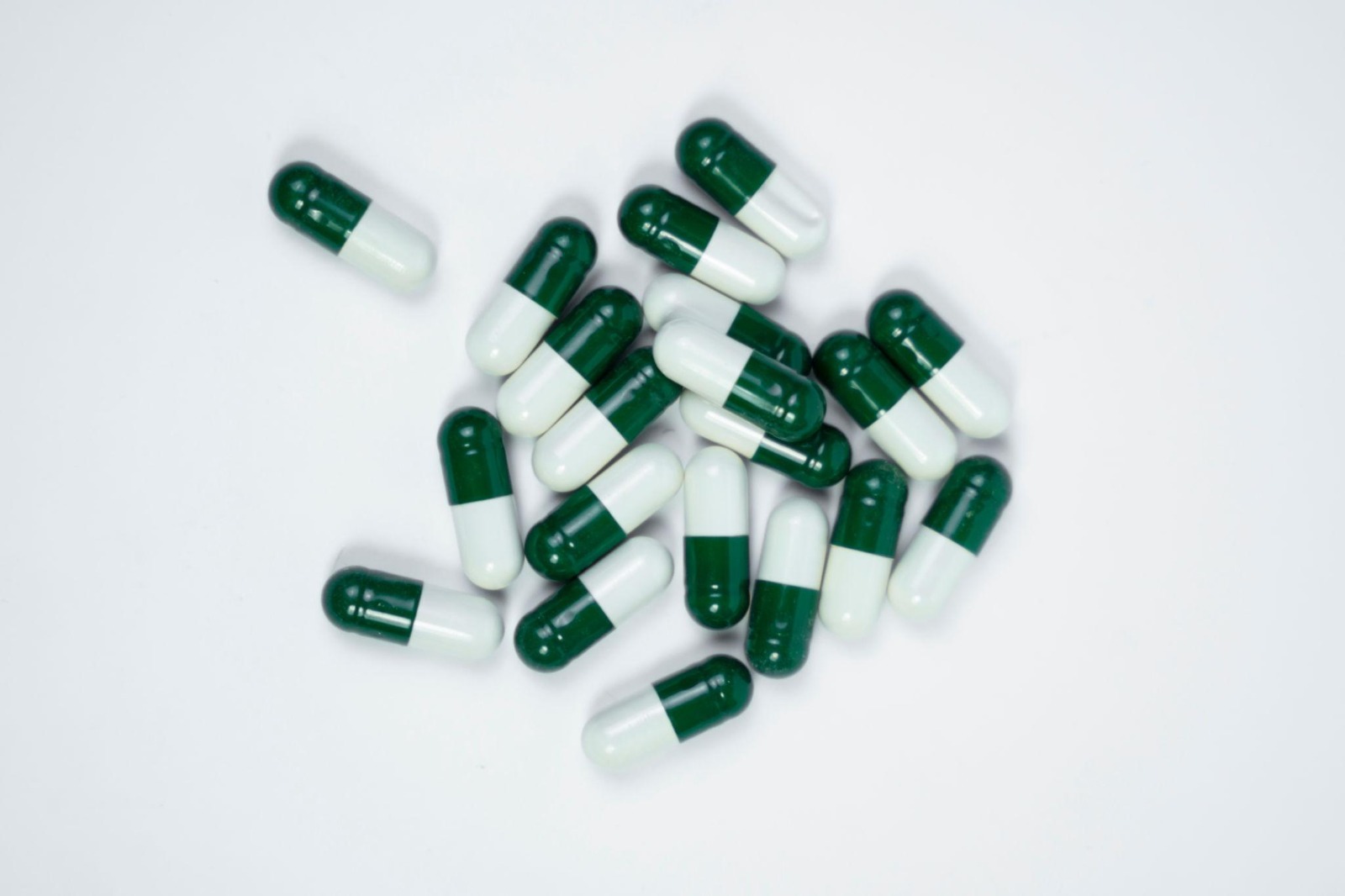
While antivenom focuses on preventing death, it cannot reverse the tissue damage that causes lifelong disability. Our approach targets the mechanisms responsible for local tissue destruction.
Venom strikes fast. Within minutes, dozens of toxins attack blood vessels, destroy tissue, and shut down vital systems. Our therapy targets the key culprits before they can do their worst.
Our oral therapy is designed to cover the venom families responsible for the majority of global envenomings, starting with the four species that cause the highest burden in India.
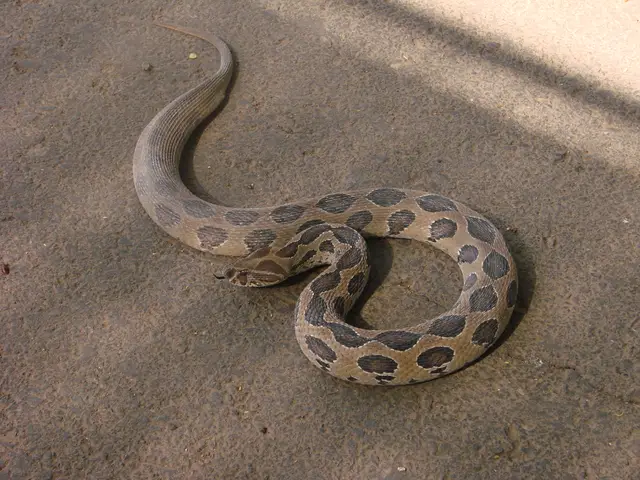
Daboia russelii
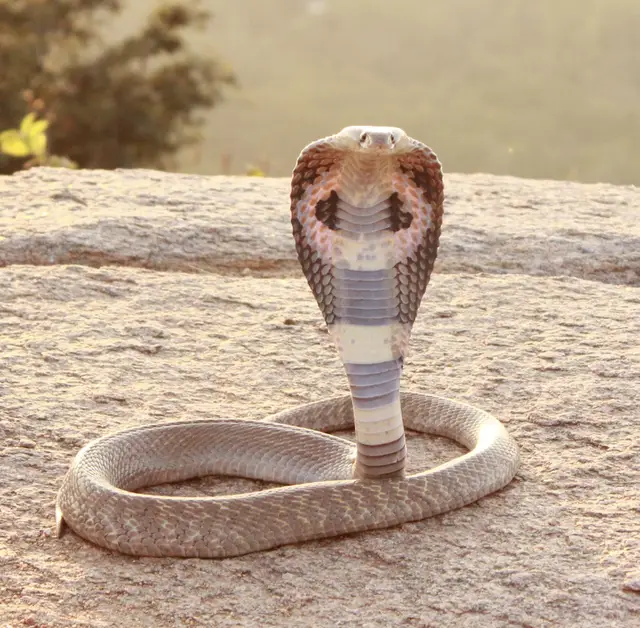
Naja naja
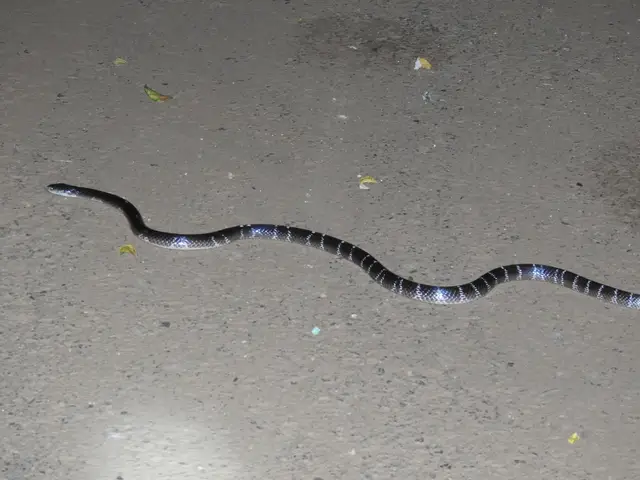
Bungarus caeruleus
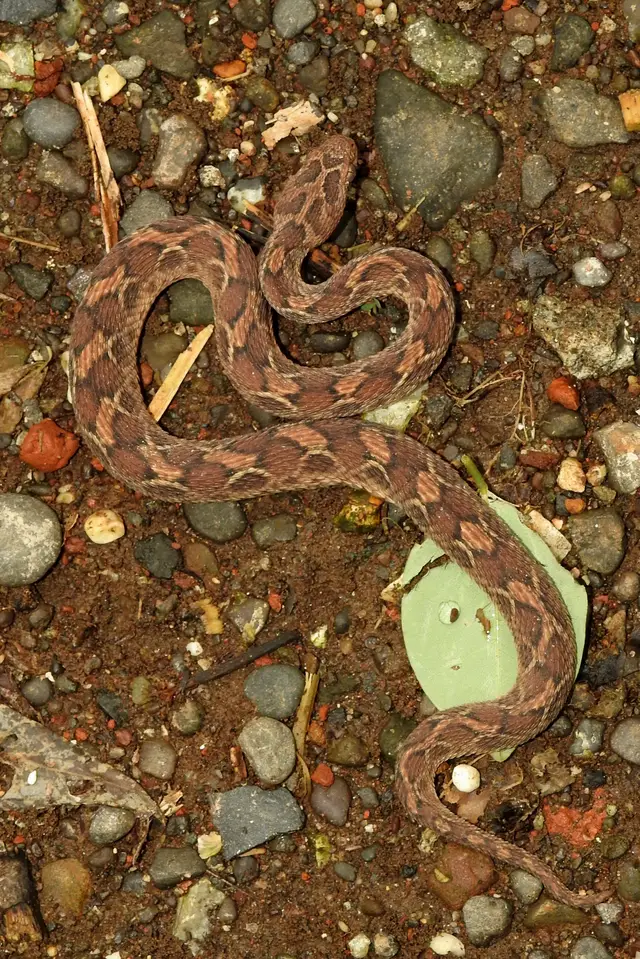
Echis carinatus
For deeper scientific, clinical or regulatory detail, we share briefings directly with partners and investors under confidentiality.